Category: Blog

  • Top 10 Universities in India: NIRF Ranking 2023

    Top 10 Universities in India: NIRF Ranking 2023

    Curious to know what are the top 10 universities in India according to the NIRF ranking 2023?

    Great! You are in the right place. After reading this article, you will know the Top 10 Best Universities in India according to the NIRF ranking 2023.

    The education landscape in India has witnessed remarkable growth over the years, with universities playing a pivotal role in shaping the nation’s future. The National Institutional Ranking Framework (NIRF) annually assesses Indian universities, providing valuable insights into their performance and quality. In this blog, we will explore the Top 10 Government Universities in India according to the NIRF ranking 2023, highlighting their academic excellence, research contributions, and overall impact on the education sector.

    You can also explore “Top 10 Universities in the World in 2023 as per QS World University Ranking”

    NIRF Ranking 2023: Top 10 Universities in India

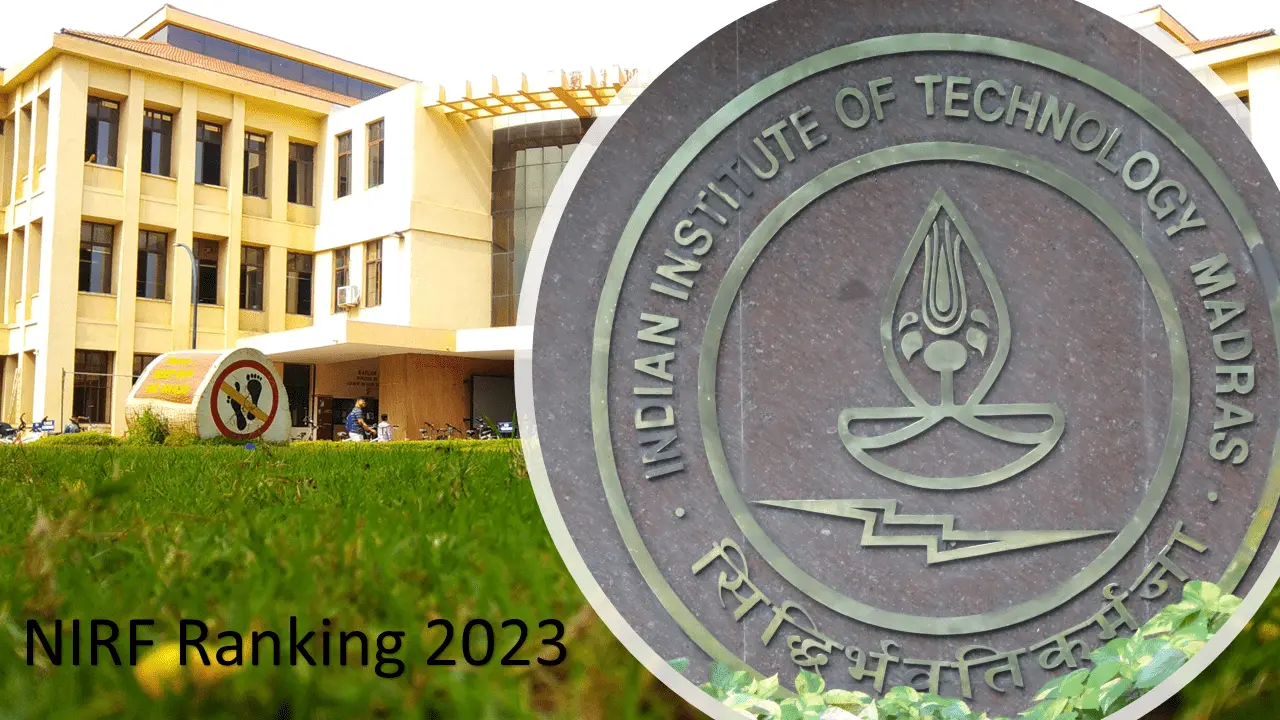
    1. Indian Institute of Technology (IIT), Madras
    2. Indian Institute of Science (IISc), Bengaluru
    3. Indian Institute of Technology (IIT), Delhi
    4. Indian Institute of Technology (IIT), Bombay
    5. Indian Institute of Technology (IIT), Kanpur
    6. All India Institute of Medical Sciences (AIIMS), Delhi
    7. Indian Institute of Technology (IIT), Kharagpur
    8. Indian Institute of Technology (IIT), Roorkee
    9. Indian Institute of Technology, Guwahati (IIT), Guwahati
    10. Jawaharlal Nehru University (JNU), New Delhi

    1. Indian Institute of Technology (IIT), Madras

    IIT Madras secures a strong position in the NIRF rankings due to its unwavering commitment to academic excellence and cutting-edge research. The institute offers undergraduate, postgraduate, and doctoral programs in various engineering disciplines, along with interdisciplinary courses. IIT Madras’ emphasis on industry collaborations, entrepreneurship, and student-led innovation has established it as a leader in technical education.

    2. Indian Institute of Science (IISc), Bengaluru

    Consistently topping the NIRF rankings, IISc continues to be a frontrunner in India’s academic landscape. Renowned for its research and innovation, IISc offers a diverse range of programs spanning science, engineering, design, and management. The institute’s state-of-the-art facilities, collaborations with global institutions, and a highly accomplished faculty contribute to its top-notch educational experience.

    3. Indian Institute of Technology (IIT), Delhi

    Recognized for its rigorous academic curriculum and transformative research, IIT Delhi stands as a symbol of innovation and intellectual prowess. The institute’s distinguished faculty, world-class infrastructure, and robust industry partnerships facilitate holistic learning and pave the way for groundbreaking discoveries. IIT Delhi’s multidisciplinary approach to education ensures that students receive a comprehensive and well-rounded learning experience.

    4. Indian Institute of Technology (IIT), Bombay

    IIT Bombay’s consistent presence among the top-ranked universities in India reflects its exceptional academic standards and influential research contributions. With a focus on fostering an entrepreneurial mindset and nurturing technological innovations, IIT Bombay equips students with the skills needed to thrive in the modern world. The institute’s vibrant campus life and a strong alumni network contribute to its overall appeal.

    5. Indian Institute of Technology (IIT), Kanpur

    IIT Kanpur has earned a reputation for its rigorous academic curriculum, research-oriented programs, and technological innovations. The institute’s emphasis on nurturing creativity, critical thinking, and problem-solving skills prepares students for diverse career paths. IIT Kanpur’s focus on interdisciplinary research and collaborations with leading global institutions contribute to its strong position in the NIRF rankings.

    6. All India Institute of Medical Sciences (AIIMS), Delhi

    AIIMS Delhi holds a prominent position in the field of medical education and research. With its state-of-the-art infrastructure and world-class faculty, it consistently produces skilled healthcare professionals who contribute significantly to the advancement of medical sciences.

    7. Indian Institute of Technology (IIT), Kharagpur

    Known as the oldest IIT in the country, IIT Kharagpur continues to uphold its legacy of academic excellence and technological advancement. Offering a wide range of undergraduate, postgraduate, and doctoral programs, the institute fosters an environment that encourages innovation and research. IIT Kharagpur’s emphasis on interdisciplinary education, entrepreneurial spirit, and social initiatives distinguish it as a top-tier institution.

    8. Indian Institute of Technology (IIT), Roorkee

    IIT Roorkee has a rich legacy and is well-regarded for its engineering and technological programs. The institute’s comprehensive curriculum and world-class research facilities contribute to producing competent professionals.

    9. Indian Institute of Technology, Guwahati (IIT), Guwahati

    IIT Guwahati, located amidst the picturesque landscapes of Northeast India, has emerged as a premier institution in engineering and technology. The institute offers world-class education, promotes research and innovation, and encourages a culturally diverse learning environment.

    10. Jawaharlal Nehru University (JNU), New Delhi

    Jawaharlal Nehru University is renowned for its social sciences, humanities, and language studies programs. The university provides a vibrant academic atmosphere, encouraging critical thinking and intellectual growth. JNU’s commitment to fostering inclusive and diverse research and its role in shaping national policies contribute to its prominent position in the NIRF rankings.

    Conclusion

    The NIRF rankings serve as a valuable guide for students, parents, and educational institutions in assessing the quality and performance of NIRF Top 10 Universities in India 2023. The top 10 universities listed above have consistently demonstrated their commitment to academic excellence, research, and innovation, making them highly sought-after institutions for higher education. As the Indian education system continues to evolve, these universities play a vital role in shaping the future of the nation and nurturing the talents of tomorrow.

    About Publisher

    IR Research Publication is publisher, editorial, and profile building service provider and assists the scholars with resume, curriculum vitae, cover letter, and statement of purpose building.

    If you like this article, then visit our Blog page for more such articles.
  • Top 10 Universities in the World in 2023: QS World University Ranking

    Top 10 Universities in the World in 2023: QS World University Ranking

    What do you believe sets apart a truly exceptional university from the rest, and how do you think the top 10 universities in the world in 2023 measure up to these standards?

    Welcome to ” The Top 10 Universities in the World in 2023,” where we embark on an exhilarating exploration of the crème de la crème of global academia. In this blog, we uncover the institutions that have emerged as the torchbearers of educational excellence, shaping the minds of tomorrow and driving groundbreaking research. As we step into the realm of higher education, we are captivated by the achievements, innovations, and profound impact these top universities have had on the world. Join us as we unravel the stories of these exceptional institutions, their remarkable contributions, and the reasons they stand out among thousands of universities across the globe. Prepare to be inspired, amazed, and enlightened as we take a closer look at the top 10 universities that have set the bar for academic distinction in 2023.

    Top 10 Universities in the World in 2023

    1. Massachusetts Institute of Technology (MIT)

    MIT consistently secures its place among the top universities globally. This prestigious institution is celebrated for its groundbreaking research, technological advancements, and strong emphasis on practical application. With renowned programs in engineering, computer science, and economics, MIT continues to push boundaries and produce trailblazers who shape the world.

    2. University of Cambridge

    As one of the oldest and most prestigious universities in the world, the University of Cambridge in the United Kingdom has maintained its reputation for academic excellence since its establishment in 1209. With its historic charm and scholarly traditions, Cambridge attracts students from all corners of the globe. The university’s emphasis on critical thinking, research, and intellectual exploration has produced numerous Nobel laureates and influential thinkers.

    3. Stanford University

    Situated in the heart of Silicon Valley, Stanford University boasts a thriving ecosystem that blends academia and innovation seamlessly. Recognized for its pioneering programs in technology, engineering, and entrepreneurship, Stanford attracts brilliant minds from around the globe. With state-of-the-art facilities and a collaborative atmosphere, the university remains a driving force in shaping the future of science and technology.

    4. University of Oxford

    Another revered British institution, the University of Oxford, has nurtured some of the brightest minds in history. Founded in the 12th century, Oxford offers a diverse range of disciplines and maintains an exceptional standard of teaching and research. With its unique tutorial system and rich academic heritage, the university continues to be a symbol of intellectual prowess.

    5. Harvard University

    Located in Cambridge, Massachusetts, Harvard University has long been synonymous with academic prestige. Renowned for its rigorous curriculum, world-class faculty, and unparalleled resources, Harvard maintains its position at the forefront of higher education. With a strong emphasis on interdisciplinary studies and groundbreaking research, Harvard continues to produce influential leaders across various fields.

    6. California Institute of Technology (Caltech)

    Renowned for its scientific and technological breakthroughs, Caltech in Pasadena, California, remains a trailblazer in the field of STEM education. With a focus on research and innovation, Caltech attracts top-notch faculty and aspiring scientists from around the world. The institute’s commitment to pushing boundaries and exploring the frontiers of science ensures its prominent position in global academia.

    7. Imperial College London

    Renowned for its expertise in science, engineering, medicine, and business, joins the prestigious lineup of the top universities in the world. Located in the heart of London, Imperial College has a long-standing reputation for academic excellence and cutting-edge research. Its commitment to innovation, interdisciplinary collaboration, and real-world impact has propelled it to the forefront of global academia. With a diverse and talented student body, distinguished faculty, and state-of-the-art facilities, Imperial College London continues to contribute significantly to advancements in various fields.

    8. University College London (UCL)

    As one of the leading universities in the United Kingdom, UCL combines a rich history with a forward-looking approach to education. Known for its multidisciplinary programs, UCL fosters collaboration across various fields, producing graduates who excel in academia and industry. The university’s global perspective and emphasis on innovation have contributed to its consistent presence among the world’s top universities.

    9. ETH Zurich – Swiss Federal Institute of Technology

    Regarded as one of the world’s leading technical universities, ETH Zurich in Switzerland consistently ranks high in global university rankings. With its focus on engineering, science, and technology, ETH Zurich produces graduates who are at the forefront of innovation and research. The institution’s close ties with industry and its commitment to sustainability contribute to its international reputation.

    10. University of Chicago

    Situated in the vibrant city of Chicago, the University of Chicago is renowned for its rigorous academic programs and intellectual rigor. With a strong emphasis on critical thinking and interdisciplinary studies, the university prepares students to tackle complex global challenges. Its renowned faculty and research-driven approach continue to make a significant impact across various disciplines.

    Conclusion

    The top 10 universities in the world in 2023 embody the essence of academic excellence, research innovation, and intellectual exploration. These institutions continue to shape the future by nurturing the brightest minds and fostering groundbreaking discoveries. Whether it’s through their cutting-edge research, influential faculty, or vibrant academic communities, these universities exemplify the pinnacle of higher education. As we look to the future, we can anticipate that these universities will continue to lead the way, shaping global knowledge and creating a lasting impact on society.

    About Publisher

    IR Research Publication is publisher, editorial, and profile building service provider and assists the scholars with resume, curriculum vitae, cover letter, and statement of purpose building.

    If you like this article, then visit our Blog page for more such articles.

  • Top 10 Free Online Proofreading Tools to Improve Your Writing

    Top 10 Free Online Proofreading Tools to Improve Your Writing

    Are you tired of making writing mistakes that make your sentences hard to read? Have you been struggling to produce error-free documents? If you have been looking for ways to perfect your writing skills, then you should consider using online proofreading tools. These free tools can help you eliminate writing errors and improve your writing skills.

    In this article, we will show you how you can make writing fun and error-free with online proofreading tools.

    Top 10 Free Online Proofreading Tools

    1. Grammarly

    Grammarly is an incredibly popular online proofreading tool that has gained widespread recognition for its ability to enhance the quality and clarity of written content. Whether you’re a student, professional, or simply someone who wants to improve their writing skills, Grammarly offers a range of features designed to help you write better and more effectively.

    At its core, Grammarly is a grammar and spelling checker. It detects errors in grammar, punctuation, spelling, and style, highlighting them and providing suggestions for improvement. It also offers explanations for the suggested changes, helping users understand and learn from their mistakes. This makes it an excellent online proofreading tool for individuals looking to enhance their writing skills by identifying and rectifying common errors.

    One of the standout features of Grammarly is its ability to go beyond basic grammar and spelling checks. It offers advanced writing feedback, highlighting issues related to clarity, conciseness, sentence structure, vocabulary, and tone. Grammarly‘s algorithms analyze your writing in real-time, providing personalized recommendations to help you refine your writing style and improve overall readability.

    In addition to its browser extension, Grammarly is available across various platforms, including a desktop application and a mobile app. This means that you can access its features and receive writing assistance across a wide range of devices, ensuring that you can write confidently and effectively no matter where you are.

    Grammarly offers both a free version and a premium subscription plan. The free version includes basic grammar and spelling checks, making it a useful online proofreading tool for anyone looking to catch simple errors. However, the premium subscription unlocks an array of additional features, including the advanced writing feedback mentioned earlier.

    Grammarly‘s premium subscription comes with three pricing options: monthly, quarterly, and annually. The monthly subscription is ideal for those who prefer a flexible payment plan, while the quarterly and annual subscriptions offer discounted rates for those willing to commit to longer periods. The premium subscription provides access to features such as genre-specific writing style checks, a plagiarism detector, and a vocabulary enhancement tool.

    Overall, Grammarly has revolutionized the way people approach writing by providing an accessible and powerful online proofreading tool for improving grammar, style, and overall writing skills. Whether you choose the free version or opt for a premium subscription, Grammarly is an invaluable resource for anyone who wants to communicate effectively through the written word.

    2. Hemingway Editor

    Hemingway Editor is a popular online proofreading tool designed to help writers improve the clarity and readability of their text. Inspired by the concise and straightforward writing style of renowned author Ernest Hemingway, this editor analyzes your writing and highlights areas that may be improved, such as lengthy sentences, excessive adverbs, passive voice, and complex phrases.

    The Hemingway Editor provides a user-friendly interface that allows writers to paste or compose their text directly into the editor. As you type, the software color-codes different elements of your writing to offer suggestions for improvement. For example, sentences highlighted in yellow are hard to read, while those in red are considered dense and complicated. Additionally, the editor offers insights into word count, reading time, and readability grade level, providing valuable metrics for assessing the overall effectiveness of your writing.

    One of the standout features of Hemingway Editor is its ability to assist writers in simplifying their text. By suggesting alternatives and providing readability scores, the tool encourages writers to communicate their ideas in a clear and concise manner. This can be especially beneficial for academic writing, business communications, blog posts, or any other form of writing that requires clarity and brevity.

    Hemingway Editor offers both a web version and a desktop application for Windows and Mac. The web version allows you to use the editor directly from your internet browser without any installation required, while the desktop application offers offline access and additional features.

    As for subscription options, Hemingway Editor offers a free version with limited functionality that allows users to explore the basic features and experience the benefits of the editor. However, for more advanced features and enhanced functionality, they also provide a paid subscription known as Hemingway Editor Premium.

    The Premium subscription offers several advantages, including the ability to directly edit your text within the editor, real-time collaboration, seamless integration with popular writing platforms like WordPress and Medium, and the option to export your text in various formats, such as HTML, Markdown, and Microsoft Word. Furthermore, the Premium version provides detailed explanations and suggestions for improvement, helping you understand the reasons behind the highlighted issues in your writing.

    To access Hemingway Editor Premium, you can choose between a monthly or an annual subscription plan, which can be purchased directly from their website. The pricing may vary, so it’s best to visit the official Hemingway Editor website for the most up-to-date information on subscription options and pricing.

    In summary, Hemingway Editor is a valuable online proofreading tool for writers who strive for clarity and simplicity in their writing. With its intuitive interface, real-time feedback, and subscription options, it assists writers in refining their work to create more effective and engaging content.

    3. ProWritingAid

    ProWritingAid is a comprehensive online proofreading tool designed to help improve the quality and effectiveness of your written content. Whether you’re a professional writer, a student, or simply someone looking to enhance their writing skills, ProWritingAid offers a range of features and functionalities to assist you in crafting polished and error-free text.

    One of the standout features of ProWritingAid is its ability to analyze your writing for grammar, spelling, and punctuation errors. It goes beyond basic spell-checking and offers detailed suggestions to help you correct mistakes and enhance the clarity of your writing. The tool also provides insights into sentence structure, readability, and overall writing style, helping you identify areas for improvement and develop a more engaging writing voice.

    ProWritingAid‘s capabilities extend beyond basic grammar and spelling checks. It includes a comprehensive style editor that helps you fine-tune your writing style and improve readability. It offers suggestions to eliminate redundant words, improve sentence variety, and enhance the overall flow of your writing. The tool also includes a built-in thesaurus and dictionary to assist with word choice and vocabulary expansion.

    Another notable feature of ProWritingAid is its ability to detect and rectify common writing mistakes, such as passive voice usage, overused words and phrases, inconsistent tense, and more. It provides in-depth reports and analysis to help you understand your writing patterns and make targeted improvements. The tool also offers a plagiarism checker to ensure your content is original and free from unintentional plagiarism.

    ProWritingAid offers subscription options to cater to different needs and budgets. There are several plans available, including monthly, yearly, and lifetime subscriptions. The pricing varies based on the duration of the subscription and the level of access to certain features. The free version of ProWritingAid provides limited access to the tool’s functionalities, making it a good starting point for those who want to test the tool before committing to a subscription.

    The premium subscription unlocks the full range of ProWritingAid‘s features, including advanced grammar and spelling checks, style suggestions, and the ability to integrate with popular writing platforms such as Microsoft Word, Google Docs, and Scrivener. It also provides unlimited access to the plagiarism checker and allows you to use ProWritingAid on multiple devices.

    Additionally, ProWritingAid offers a lifetime subscription option for users who prefer a one-time payment for unlimited access to the tool’s features without worrying about recurring subscriptions.

    Overall, ProWritingAid is a powerful online proofreading assistant that offers a wide range of features to help you enhance your writing skills and produce polished content. With its subscription options, you can choose the plan that best suits your needs and take advantage of the tool’s extensive capabilities to improve your writing efficiency and effectiveness.

    4. LanguageTool

    LanguageTool is a powerful online grammar and style checker that helps users improve their writing by detecting errors, suggesting corrections, and providing feedback on various aspects of their text. It is an invaluable tool for writers, students, professionals, and anyone who wants to ensure their writing is error-free and communicates effectively.

    LanguageTool offers a range of subscription options to cater to different user needs. Let’s take a look at the available options:

    1. Free Version: LanguageTool provides a free version that allows users to check their text for grammar, punctuation, and style errors. While the free version has certain limitations, such as a maximum number of characters per check, it is still a useful tool for basic proofreading and improving the quality of your writing.
    2. Premium Subscription: LanguageTool‘s premium subscription offers enhanced features and functionality. Subscribers gain access to an extended range of grammar and style rules, more accurate error detection, and suggestions for improvement. Premium subscribers can also customize the tool to match their preferred writing style and receive detailed explanations for detected errors.
    3. Business Plans: LanguageTool offers tailored solutions for businesses and organizations. These plans are designed to meet the specific needs of teams, including collaboration features, integration with other tools and platforms, and centralized billing and administration. Business plans are ideal for companies looking to ensure consistent writing quality across their communication channels.
    4. API Access: LanguageTool provides an API (Application Programming Interface) that enables developers to integrate the grammar and style checking functionality into their own applications, websites, or content management systems. This option is suitable for individuals or organizations looking to incorporate LanguageTool‘s capabilities into their existing workflows or develop new writing-related applications.

    To subscribe to LanguageTool‘s premium version or explore business plans, users can visit the LanguageTool website and select the subscription option that suits their needs. The pricing details are usually available on the website, including information on payment plans, discounts for annual subscriptions, and any additional benefits or features specific to each subscription level.

    LanguageTool‘s subscription options offer users the flexibility to choose the level of functionality and support they require. Whether you’re a casual writer, a professional content creator, or a business looking to improve your writing across your organization, LanguageTool provides a reliable and efficient solution to enhance your writing skills and ensure error-free content.

    5. Ginger

    Ginger Software is a powerful writing and grammar enhancement online proofreading tool that helps users improve their written communication. Whether you’re a student, professional, or someone who wants to enhance their writing skills, Ginger Software offers a range of subscription options to suit your needs.

    Ginger Software utilizes advanced natural language processing algorithms to analyze your text and provide suggestions for improving grammar, spelling, punctuation, and style. It can also help with sentence rephrasing and translation into multiple languages. By using Ginger Software, you can significantly enhance the quality and clarity of your writing.

    When it comes to subscription options, Ginger Software offers several plans tailored to different requirements. Here are some of the subscription options you can choose from:

    1. Free Version: Ginger Software provides a free version that offers basic grammar and spelling corrections. This option is suitable for those who need occasional assistance with their writing.
    2. Premium: The Premium subscription provides comprehensive grammar and spelling correction, sentence rephrasing suggestions, and translation into 40+ languages. It also includes a personal trainer feature that offers personalized writing lessons. The Premium subscription is ideal for students, professionals, and anyone who writes frequently and wants to improve their writing skills. Pricing for the Premium subscription varies depending on the duration of the subscription, typically ranging from monthly to yearly plans.
    3. Business: Ginger Software offers a Business subscription plan designed for teams and organizations. This plan includes all the features of the Premium subscription and offers additional collaboration tools, centralized billing, and administrative controls. The Business plan is suitable for companies that want to enhance the writing skills of their employees and ensure consistent, error-free communication across the organization. The pricing for the Business subscription varies based on the number of users and specific business needs.
    4. Education: Ginger Software also offers specialized subscription options for educational institutions, including schools and universities. The Education plan provides access to all the features of the Premium subscription and includes additional tools for educators, such as student management and progress tracking. The pricing for the Education plan is typically customized based on the number of users and the requirements of the institution.

    Regardless of the subscription option you choose, Ginger Software provides an intuitive user interface and seamless integration with various writing platforms, including web browsers, Microsoft Office applications, and popular email clients.

    In summary, Ginger Software offers a range of subscription options to suit individual, business, and educational needs. With its advanced grammar and writing improvement features, Ginger Software can help users enhance their writing skills and communicate more effectively.

    6. WhiteSmoke

    WhiteSmoke is a popular online proofreading tool designed to enhance and improve writing skills. It serves as a comprehensive writing assistant that helps users create error-free and professional-quality content. Whether you’re a student, a professional writer, or someone who frequently engages in written communication, WhiteSmoke offers a range of features to ensure your writing is polished and error-free.

    One of the key features of WhiteSmoke is its advanced grammar and spelling checker. It analyzes your text for grammatical errors, punctuation mistakes, and spelling errors, providing real-time suggestions for corrections. This ensures that your writing is accurate and error-free, improving its overall quality and professionalism. WhiteSmoke also offers an extensive dictionary and thesaurus, providing synonyms and definitions to help you find the right words and enhance your vocabulary.

    Moreover, WhiteSmoke includes a comprehensive style checker, offering suggestions to improve the clarity and readability of your writing. It checks for issues such as sentence structure, word choice, and conciseness, helping you craft compelling and well-structured sentences. The software also provides a plagiarism checker, enabling you to scan your text and identify any potential instances of plagiarism.

    WhiteSmoke is available as a subscription-based service, offering different plans to cater to various user needs. The subscription options typically include:

    1. Essential Plan: This plan offers the basic features of WhiteSmoke, including grammar and spelling checking, punctuation correction, and access to the dictionary and thesaurus.
    2. Premium Plan: The premium plan includes all the features of the Essential Plan, along with additional benefits such as advanced style checking, genre-specific writing templates, and an enhanced plagiarism checker.
    3. Business Plan: Designed for professionals and businesses, the Business Plan provides all the features of the Premium Plan and includes extras like team collaboration tools, document management, and priority customer support.

    The subscription options are usually available for different durations, ranging from monthly to yearly plans. Users can choose the plan that best suits their requirements and budget. The pricing of the subscription varies depending on the selected plan and the length of the subscription period.

    WhiteSmoke is available as a desktop application for Windows and macOS, as well as a web-based version accessible through a browser. It integrates seamlessly with popular word processors such as Microsoft Word, Google Docs, and Outlook, allowing users to utilize its features while working within their preferred writing environment.

    In summary, WhiteSmoke is a versatile online proofreading assistant software that helps users improve their writing skills and produce error-free content. With its grammar and spelling checking, style suggestions, plagiarism detection, and other valuable features, WhiteSmoke is a valuable tool for anyone looking to enhance their writing abilities.

    7. Slick Write

    Slick Write is an online proofreading tool designed to enhance and improve your writing skills. Whether you’re a student, professional writer, or simply someone looking to improve their communication skills, Slick Write offers a range of features and subscription options to suit your needs.

    Slick Write provides an array of powerful tools to help you polish your writing and make it more effective. One of its key features is the grammar checker, which analyzes your text for grammatical errors and suggests corrections. It highlights issues such as punctuation mistakes, sentence structure problems, and misuse of words, allowing you to refine your writing and ensure it is error-free.

    In addition to the grammar checker, Slick Write offers a robust spell checker that identifies spelling errors and suggests appropriate replacements. This feature is particularly useful for catching those subtle mistakes that can often slip through the cracks.

    Another valuable feature of Slick Write is the style checker, which evaluates your writing style and provides suggestions to enhance readability and coherence. It analyzes factors such as sentence length, passive voice usage, and repetitive phrases, helping you refine your style and make your writing more engaging.

    Slick Write also provides a comprehensive analysis of your document’s structure and flow. Its organization and flow analysis tool identifies issues such as weak transitions between paragraphs, lack of coherence, and redundancy. By addressing these areas, you can ensure that your writing flows smoothly and effectively communicates your ideas.

    Now, let’s talk about the subscription options offered by Slick Write. While the tool provides a free version with limited features, it also offers premium plans for those seeking more advanced functionality. The subscription options usually include:

    1. Basic Plan: This plan is usually the most affordable option and offers access to essential features such as grammar checking, spell checking, and basic style analysis.
    2. Pro Plan: The Pro Plan is the next tier and offers additional features on top of the basic ones. It may include advanced style analysis, enhanced organization and flow analysis, and additional writing statistics and insights.
    3. Premium Plan: The Premium Plan is the highest tier and typically provides access to all the features available on Slick Write. It may include specialized features like vocabulary enhancement suggestions, in-depth readability analysis, and even integration with popular writing software or platforms.

    It’s important to note that subscription options may vary over time, and it’s best to visit the Slick Write website for the most up-to-date information on their plans and pricing.

    In conclusion, Slick Write is a valuable online proofreading tool that offers a range of features to improve your writing skills. With its grammar checker, spell checker, style analysis, and document structure analysis, Slick Write helps you refine your writing and communicate more effectively. Whether you choose the free version or opt for a subscription plan, Slick Write is a useful resource for anyone looking to enhance their writing abilities.

    8. PaperRater

    PaperRater is an online proofreading tool that offers a range of services to help individuals improve their writing skills and ensure the quality of their written content. Whether you’re a student, a professional writer, or someone who simply wants to enhance their writing abilities, PaperRater can be a valuable resource.

    One of the key features of PaperRater is its grammar and spelling check. The tool utilizes advanced algorithms to scan your text and identify errors in grammar, punctuation, and spelling. It provides suggestions for corrections and explanations to help you understand the rules behind the mistakes. By using this feature, you can significantly enhance the overall clarity and correctness of your writing.

    In addition to grammar and spelling checks, PaperRater also offers a plagiarism detection feature. It compares your text against an extensive database of academic papers, articles, and web content to identify any instances of plagiarism. This is especially useful for students and researchers who want to ensure that their work is original and properly cited.

    Another useful aspect of PaperRater is its writing suggestions feature. It analyzes your text for clarity, style, vocabulary usage, and sentence structure. It provides recommendations on how to improve your writing and make it more engaging and coherent. This feature can be particularly beneficial for non-native English speakers who want to enhance their language skills.

    PaperRater offers both free and subscription-based options. The free version allows users to check grammar and spelling, detect plagiarism, and receive limited writing suggestions. However, for more advanced features and a comprehensive writing analysis, a subscription is required.

    The subscription options provided by PaperRater offer additional benefits and access to premium features. These features may include more in-depth writing suggestions, faster processing times, and priority customer support. The exact details and pricing of the subscription options may vary, as PaperRater periodically updates its offerings to cater to the evolving needs of its users.

    Subscribing to PaperRater can be done through their website, where you can choose a plan that suits your requirements. The subscription fee is typically charged on a monthly or annual basis, depending on your preference. It’s important to review the specific terms and conditions associated with the subscription before making a commitment.

    In summary, PaperRater is an online proofreading tool that offers grammar and spelling checks, plagiarism detection, and writing suggestions to help individuals improve their writing skills. While a free version is available, opting for a subscription unlocks additional features and benefits. Subscriptions can be obtained through the PaperRater website, providing users with a more comprehensive and personalized writing analysis.

    9. Reverso

    Reverso is a powerful online proofreading tool that offers a wide range of language-related tools and services. It has gained popularity among language learners, translators, and individuals seeking accurate translations and language assistance. Reverso provides comprehensive translation services, context-based examples, and a variety of language learning resources.

    One of the standout features of Reverso is its translation tool. It supports translations between multiple languages, including English, Spanish, French, German, Italian, Russian, Portuguese, Arabic, and many more. Users can enter words, phrases, or entire sentences, and Reverso will provide accurate translations with detailed explanations and examples. This feature is invaluable for anyone studying a foreign language or needing assistance with translations.

    In addition to translations, Reverso also offers a range of language learning tools. The platform provides grammar and vocabulary lessons, conjugation guides, and interactive exercises to help users improve their language skills. These resources are designed to be engaging and user-friendly, making language learning an enjoyable experience.

    Reverso‘s subscription options provide additional benefits and exclusive features for users who choose to upgrade their accounts. While many of the platform’s basic features are available for free, the subscription plans offer enhanced functionality and access to premium content. Here are some of the subscription options offered by Reverso:

    1. Reverso Premium: This subscription plan provides an ad-free experience, access to premium language learning resources, and additional features such as personalized vocabulary lists and flashcards. It also includes unlimited access to Reverso’s translation tool and audio pronunciations.
    2. Reverso Professional: Designed for translators, language professionals, and businesses, the Reverso Professional plan offers advanced translation features, including specialized dictionaries, collaborative translation tools, and translation memory management. It also provides priority support and customization options for tailored translation workflows.
    3. Reverso Context+: This subscription option is ideal for users who rely heavily on context-based translations. Reverso Context+ offers an enhanced translation experience with additional contextual examples, synonyms, and idiomatic expressions, enabling users to understand and use language more accurately and naturally.

    Subscribing to Reverso‘s premium plans provides users with a seamless and enhanced language learning and translation experience. It unlocks advanced features, removes ads, and ensures access to exclusive content. The subscription options are designed to cater to the needs of different users, from language enthusiasts to professionals in the field, offering flexibility and value for money.

    Whether you’re a language learner, translator, or simply someone who needs reliable translation services, Reverso‘s subscription options provide a comprehensive suite of online proofreading tools and resources to meet your language needs. With its user-friendly interface, accurate translations, and extensive language learning materials, Reverso is a go-to platform for anyone looking to improve their language skills or communicate effectively in a foreign language.

    10. OnlineCorrection.com

    OnlineCorrection.com is a popular online proofreading platform that offers a range of services to help users improve their writing skills and enhance the quality of their written content. It serves as a valuable tool for individuals, students, professionals, and businesses who want to ensure that their texts are error-free, well-written, and convey their intended message accurately.

    One of the key features of OnlineCorrection.com is its advanced grammar and spell-checking capabilities. The platform’s intelligent algorithms meticulously analyze the text provided by users, identifying and highlighting grammar mistakes, spelling errors, punctuation issues, and other common writing mistakes. It provides users with comprehensive suggestions and explanations to help them understand and correct their errors effectively.

    In addition to grammar and spell-checking, OnlineCorrection.com offers a variety of other writing enhancement tools. These include style and readability analysis, vocabulary enrichment, and suggestions for improving sentence structure. The platform also provides specific features for checking and correcting academic papers, business documents, and creative writing pieces, catering to the specific needs of different writing styles and genres.

    OnlineCorrection.com offers various subscription options to cater to the diverse requirements of its users. The platform typically provides a tiered system, allowing users to choose between free and premium plans. The free plan offers basic grammar and spell-checking features, making it suitable for casual users who occasionally need assistance with their writing.

    For users who require more advanced features and a higher level of accuracy, OnlineCorrection.com offers premium subscription plans. These plans provide access to an expanded range of writing tools, including enhanced grammar and style analysis, plagiarism detection, and personalized writing feedback. Premium subscribers also benefit from faster processing times, priority customer support, and the ability to upload larger documents.

    The subscription options on OnlineCorrection.com are typically available on a monthly or annual basis, allowing users to choose a plan that suits their budget and usage frequency. The pricing structure varies depending on the selected plan, with discounted rates often offered for long-term commitments. Users can conveniently upgrade or downgrade their subscription plans at any time, ensuring flexibility and catering to their evolving needs.

    Subscribing to a premium plan on OnlineCorrection.com offers users the advantage of consistently producing high-quality written content. Whether it is a student working on an important essay, a professional writing a business proposal, or an individual crafting an engaging blog post, the platform’s advanced tools and thorough analysis contribute to the overall improvement of writing skills and the creation of polished, error-free texts.

    In conclusion, OnlineCorrection.com is a valuable online proofreading resource that provides users with comprehensive writing assistance and tools to improve the quality of their written content. With its grammar and spell-checking features, style analysis, vocabulary enrichment, and more, the platform caters to a wide range of writing needs. By offering both free and premium subscription options, OnlineCorrection.com ensures accessibility and customization while empowering users to produce accurate, engaging, and professional written work.

    Conclusion

    These top 10 free online proofreading tools offer invaluable assistance in improving your writing skills and ensuring error-free content. From checking grammar and spelling to enhancing style and readability, these tools empower writers to produce polished and professional work. So, start utilizing these resources and elevate the quality of your writing today!

    About Publisher

    IR Research Publication is publisher, editorial, and profile building service provider and assists the scholars with resume, curriculum vitae, cover letter, and statement of purpose building.

    If you like this article, then visit our Blog page for more such articles.

  • Indian Scholarships to Study Abroad in 2023: How to Find and Apply

    Indian Scholarships to Study Abroad in 2023: How to Find and Apply

    Are you an Indian student and looking for the way to find and apply for the available Indian scholarships to study abroad?

    Great! You are exactly at the right place.

    The blog will provide you detailed information on the eligibility criteria, application process, and award amount for various Indian scholarships to study abroad for Indian students in 2023. Additionally, the blog will offer tips and tricks for crafting a successful scholarship application, and provide guidance on how to make the most of scholarship opportunities. By reading this blog, you can feel confident and well-equipped to apply for scholarships that can help you achieve your dreams of studying abroad.

    As we all know, the internet has numerous fake information. To avoid that, we have done analysis of various scholarship options available for Indian students who want to study abroad in 2023. This includes government scholarships, non-governmental organization (NGO) scholarships, and scholarships offered by universities and other educational institutions.

    Without further due, lets dive into it.

    Indian scholarships to study abroad

    Studying abroad can be a life-changing experience for many students, but the cost of tuition, travel, and living expenses can be a significant barrier. Fortunately, there are many scholarships available to Indian students who are interested in studying abroad in 2023. In this blog post, we will provide a comprehensive guide on how to find and apply for Indian scholarships to study abroad in 2023, including government scholarships, non-governmental organization (NGO) scholarships, and scholarships offered by universities and other educational institutions.

    Government Scholarships for Indian students to study abroad

    The Indian government offers several scholarships to Indian students who wish to study abroad. These scholarships are typically awarded based on academic merit, financial need, and other criteria. Some of the most popular government scholarships include:Study abroad

    The National Overseas Scholarship

    The National Overseas Scholarship (NOS) is a prestigious scholarship program sponsored by the Ministry of Social Justice and Empowerment, Government of India. The scholarship is designed to provide financial assistance to students from scheduled castes (SC), scheduled tribes (ST), and other backward classes (OBC) who wish to pursue higher education abroad.

    To be eligible for the NOS, students must be Indian citizens from the SC, ST, or OBC communities. They must have secured admission to a foreign university for a postgraduate or PhD program in a field of study that is not available in India. Applicants must also have completed their undergraduate studies with a first-class degree.

    The selection process for the NOS is highly competitive and based on academic merit. The scholarship covers tuition fees, living expenses, and travel expenses for the entire duration of the program. In addition, scholars receive a monthly allowance and a book grant.

    How to find and apply

    To find and apply for the NOS, interested students can visit the official website of the Ministry of Social Justice and Empowerment. They can download the application form and submit it along with supporting documents, such as transcripts, letters of recommendation, and proof of admission to a foreign university. The application deadline for the NOS is usually in the month of January each year.

    When applying for the NOS, students should ensure that they meet all eligibility criteria and provide all necessary documents. They should also focus on highlighting their academic achievements, research interests, and career goals in their personal statement. Strong letters of recommendation from professors or employers can also strengthen their application.

    The Commonwealth Scholarship

    The Commonwealth Scholarship is a highly prestigious scholarship program that offers opportunities for Indian students to study in Commonwealth countries. The scholarship is awarded to talented individuals who have the potential to make a significant contribution to their home country upon their return. In this article, we will discuss how Indian students can find and apply for the Commonwealth Scholarship.

    How to find and apply

    To find Commonwealth Scholarships for Indian students, the first step is to visit the official Commonwealth Scholarship website. The website provides information on the scholarship programs available for Indian students, including eligibility criteria and application deadlines.

    Indian students can also check with their college or university’s international office to find out about scholarship opportunities. In addition, students can check with NGOs and foundations that offer scholarships for study abroad.

    The application process for the Commonwealth Scholarship varies depending on the program, but in general, the following steps are involved:

    1. Check Eligibility: Before applying, it is important to check the eligibility criteria for the scholarship program. Indian students must meet the minimum requirements to be considered for the scholarship.
    2. Choose a Course: Indian students should choose a course that is eligible for the scholarship. The Commonwealth Scholarship offers opportunities to pursue postgraduate studies in various fields, including science and technology, humanities, and social sciences.
    3. Submit an Application: Indian students must submit an online application through the official Commonwealth Scholarship website. The application requires students to provide information on their academic achievements, work experience, and extracurricular activities.
    4. Submit Supporting Documents: In addition to the online application, students must also submit supporting documents, including academic transcripts, letters of recommendation, and a personal statement.
    5. Interview: Shortlisted candidates will be invited for an interview. The interview may be conducted in person or online.
    6. Notification of Results: Successful candidates will be notified of their selection for the scholarship program.

    The Dr. Ambedkar Scholarship

    Dr. B.R. Ambedkar Scholarship is a financial assistance scheme offered to students from the Scheduled Caste (SC) and Scheduled Tribe (ST) categories in India. The scholarship was established in memory of Dr. B.R. Ambedkar, a social reformer, economist, and jurist who played a pivotal role in drafting the Indian Constitution.

    The scholarship is offered to eligible students who wish to pursue their education at the post-secondary level. The aim of the scholarship is to encourage and support students from disadvantaged communities to pursue higher education and achieve their career goals.

    How to find and apply

    To find out if they are eligible for the Dr. Ambedkar Scholarship, students can check with their college or university’s financial aid office or visit the official website of the Ministry of Social Justice and Empowerment. Eligibility criteria may vary by state and institution, but generally, students must belong to the SC/ST category and have secured admission in a recognized post-secondary institution.

    To apply for the Dr. Ambedkar Scholarship, eligible students must fill out the application form and submit it along with supporting documents such as proof of admission, caste certificate, income certificate, and a passport-sized photograph. The application form can be obtained from the college or university’s financial aid office or downloaded from the official website of the Ministry of Social Justice and Empowerment.

    The application deadline for the Dr. Ambedkar Scholarship varies by state and institution. Students are advised to check with their college or university’s financial aid office or the official website of the Ministry of Social Justice and Empowerment for the deadline.

    NGO Scholarships for Indian students to study abroad

    Many NGOs in India offer scholarships to students who wish to study abroad. These scholarships are often targeted at students from disadvantaged backgrounds or those who demonstrate a strong commitment to social service. Some of the most popular NGO scholarships include:

    The J.N. Tata Endowment Scholarship

    The J.N. Tata Endowment Scholarship is a prestigious scholarship awarded to Indian students who wish to pursue their postgraduate studies abroad. The scholarship aims to help talented and ambitious students achieve their academic goals and contribute to the development of the nation.

    How to find and apply

    To find out more about the J.N. Tata Endowment Scholarship, interested students can visit the official website of the Tata Trusts, which administer the scholarship program. On the website, students can find detailed information about the scholarship, including eligibility criteria, application deadlines, and the application process.

    Eligibility criteria for the J.N. Tata Endowment Scholarship include Indian citizenship, a first-class degree from a recognized Indian university, and admission to a top-ranked university abroad for a postgraduate program. Candidates are also required to have at least two years of work experience after completing their undergraduate degree.

    To apply for the J.N. Tata Endowment Scholarship, candidates must first register on the Tata Trusts website and fill out the online application form. They will also be required to submit a range of supporting documents, including academic transcripts, letters of recommendation, and a personal statement.

    Candidates who are shortlisted for the scholarship will be invited to participate in an interview conducted by the selection committee. The interview is an important part of the selection process and gives candidates the opportunity to showcase their passion for their chosen field of study and their potential for future success.

    The J.N. Tata Endowment Scholarship provides a generous amount of funding to cover the cost of tuition fees, living expenses, and travel costs associated with studying abroad. The scholarship is highly competitive, and only a limited number of awards are made each year. However, for those who are successful, it can provide a life-changing opportunity to pursue their academic and career goals at a top-ranked university abroad.

    The Inlaks Shivdasani Foundation Scholarship

    The Inlaks Shivdasani Foundation Scholarship is one of the most prestigious Indian scholarships to study abroad. Established in 1976, the scholarship provides financial assistance to outstanding Indian students who wish to pursue postgraduate studies in the United States, the United Kingdom, and Europe.

    To be eligible for the scholarship, students must be Indian citizens who have completed their undergraduate degree in India. They must also have secured admission to a top-ranked university in the United States, the United Kingdom, or Europe for a postgraduate program in any field of study. Additionally, candidates must demonstrate outstanding academic achievements, extracurricular activities, and leadership qualities.

    How to find and apply

    To apply for the Inlaks Shivdasani Foundation Scholarship, students must first download the application form from the foundation’s official website. The application form must be filled out accurately and completely. Candidates must provide information about their academic achievements, extracurricular activities, and work experience. They must also provide letters of recommendation from their professors or employers.

    In addition to the application form, candidates must also submit a personal statement outlining their academic and career goals and how the scholarship will help them achieve these goals. The personal statement should also explain why the candidate has chosen the specific course of study and university.

    Once the application is complete, candidates must send it along with all the required documents to the foundation’s office in Mumbai. The application deadline for the scholarship is usually in early January each year.

    The selection process for the scholarship is highly competitive and rigorous. Shortlisted candidates will be called for an interview with the selection panel, which includes leading academicians and industry experts. The final decision on the scholarship award is made by the foundation’s board of trustees.

    The Narotam Sekhsaria Foundation Scholarship

    The Narotam Sekhsaria Foundation Scholarship is a prestigious scholarship that provides financial support to bright and motivated Indian students who wish to pursue their postgraduate studies at top-ranked universities abroad. The scholarship covers tuition fees, living expenses, and travel costs for the duration of the course.

    Eligibility: To be eligible for the Narotam Sekhsaria Foundation Scholarship, candidates must meet the following criteria:

    1. Indian nationals residing in India.
    2. Students who have completed their graduation or postgraduation from a recognized university with a minimum of 60% marks.
    3. Students who have secured admission to a full-time postgraduate course at a top-ranked university or institution abroad.
    4. Students who have not received any other scholarship or financial assistance for their studies.

    Application Process: The application process for the Narotam Sekhsaria Foundation Scholarship is as follows:

    1. Candidates can apply for the scholarship online through the official website.
    2. The application form requires candidates to provide personal and academic details, as well as an essay on their career goals and aspirations.
    3. Candidates must also submit their academic transcripts, proof of admission, and letters of recommendation from their professors or mentors.
    4. Shortlisted candidates are invited for an interview with the selection committee.
    5. The final selection is based on the candidate’s academic record, leadership skills, extracurricular activities, and the potential to contribute to society.

    How to Find and Apply

    To find and apply for the Narotam Sekhsaria Foundation Scholarship, candidates can follow the below steps:

    1. Visit the official website of the Narotam Sekhsaria Foundation Scholarship.
    2. Read the eligibility criteria and other details about the scholarship.
    3. Click on the ‘Apply Now’ button to access the online application form.
    4. Fill in all the required details and upload the necessary documents.
    5. Submit the application form before the deadline.
    6. Shortlisted candidates will be called for an interview.
    7. The final selection will be based on the candidate’s performance in the interview and other selection criteria.

    Indian Scholarships to Study Abroad Offered by Universities and Educational Institutions

    Many universities and educational institutions around the world offer scholarships to international students, including Indian students. These scholarships may be based on academic merit, financial need, or other criteria. Some of the most popular scholarships offered by universities and educational institutions include:

    The Fulbright Scholarship

    The Fulbright Scholarship is a prestigious scholarship program that provides opportunities for Indian students to study abroad. The scholarship program is open to Indian students who have completed their undergraduate or graduate degrees and are interested in pursuing further studies in the United States. In this blog post, we will discuss how to find and apply for the Fulbright Scholarship.

    The Fulbright Scholarship is funded by the United States Department of State and is designed to promote mutual understanding between the people of the United States and other countries. The scholarship program provides funding for tuition, fees, books, and living expenses for up to two years of study at a U.S. university.

    To be eligible for the Fulbright Scholarship, Indian students must have completed their undergraduate or graduate degree and demonstrate academic excellence, leadership potential, and a commitment to community service. Applicants must also be proficient in English and have a strong academic record.

    How to Find and Apply

    To find Fulbright Scholarship opportunities, Indian students can visit the Fulbright Commission in India website or the official website of the U.S. Department of State Bureau of Educational and Cultural Affairs. They can also check with their college or university’s international office, as they may have information on scholarship opportunities.

    When applying for the Fulbright Scholarship, Indian students should carefully review the eligibility requirements and application deadlines. They should also provide a strong academic record, letters of recommendation, and a well-written personal statement that showcases their passion for their chosen field of study and their commitment to community service.

    In addition, Fulbright Scholarship applicants may be required to participate in an interview process as part of the selection process. It is important for applicants to prepare for the interview and to be able to articulate their academic and career goals and their interest in the Fulbright Scholarship program.

    The Chevening Scholarship

    The Chevening Scholarship is a prestigious scholarship awarded to outstanding individuals with leadership potential from around the world, including India. This scholarship is funded by the UK Foreign and Commonwealth Office and provides full financial support to study a one-year Master’s degree in any subject at any UK university. In this article, we will discuss how Indian students can find and apply for the Chevening Scholarship.

    Eligibility Criteria for the Chevening Scholarship To be eligible for the Chevening Scholarship, Indian students must:

    • Be a citizen of India and return to India after completing their studies.
    • Have an undergraduate degree that will enable them to gain entry into a postgraduate program in the UK.
    • Have at least two years of work experience.
    • Meet the English language requirement, which is an overall score of 6.5 in IELTS or equivalent.
    • Apply to three different eligible UK university courses and receive an unconditional offer from one of these courses by the Chevening application deadline.

    How to Find and Apply

    How to Find the Chevening Scholarship Indian students can find the Chevening Scholarship by visiting the Chevening website or contacting the British Council in India. The British Council offers information sessions and workshops to help students learn more about the scholarship and the application process.

    In addition to the Chevening Scholarship, there are other scholarships and financial aid available to Indian students who wish to study in the UK. Students can also search for scholarships through the British Council, the UK universities they are applying to, and other scholarship search engines.

    How to Apply for the Chevening Scholarship The application process for the Chevening Scholarship is rigorous and competitive. Indian students who wish to apply for the scholarship must follow these steps:

    1. Register and create an account on the Chevening website.
    2. Complete the online application form and submit it before the deadline.
    3. Provide two references.
    4. Upload a copy of their unconditional offer from a UK university.
    5. Upload their English language test results.
    6. Provide a personal statement explaining why they are the best candidate for the scholarship and how they will contribute to their community upon returning to India.

    The Erasmus+ Scholarship

    The Erasmus+ Scholarship is an excellent opportunity for Indian students to study abroad and gain valuable international experience. The program provides financial support to students who wish to study at a European university or participate in an internship or training program in Europe.

    How to Find and Apply

    To find and apply for the Erasmus+ Scholarship, Indian students should first research the eligibility criteria and application process. The scholarship is open to students who are enrolled in a higher education institution in India, and who have completed at least one year of their degree program. The program offers funding for undergraduate, graduate, and doctoral-level studies, as well as for internships and training programs.

    To apply for the scholarship, Indian students should first find a European university or institution that offers courses or programs in their field of study. They should then contact the university’s international office or Erasmus+ coordinator to inquire about available scholarships and the application process.

    The application process for the Erasmus+ Scholarship typically involves submitting an application form, a transcript of academic records, a letter of motivation, and a letter of recommendation from a faculty member. The scholarship selection process is highly competitive, so students should focus on highlighting their academic achievements, extracurricular activities, and career goals in their application.

    In addition to providing financial support, the Erasmus+ Scholarship also offers many benefits to Indian students who wish to study abroad. The program provides a unique opportunity to learn about different cultures, improve language skills, and gain valuable international experience that will benefit them in their future careers.

    Conclusion

    In conclusion, Indian students who wish to study abroad in 2023 have access to a wide range of scholarships, including government scholarships, NGO scholarships, and scholarships offered by universities and educational institutions. By researching scholarship options and eligibility criteria, students can increase their chances of receiving financial assistance to pursue their educational goals.

    To find scholarships, students can start by researching online and checking with their college or university’s international office. They can also check with NGOs and foundations that offer International Scholarships for Indian Students for study abroad. Students should carefully review the eligibility requirements and application deadlines for each scholarship and ensure that they submit a complete and accurate application.

    When applying for scholarships, students should focus on highlighting their academic achievements, extracurricular activities, and career goals. They should also provide strong letters of recommendation and a well-written personal statement that showcases their passion for their chosen field of study.

    By following these tips and taking advantage of available resources, Indian students can find and apply for Indian scholarships to study abroad in 2023. With financial assistance, they can make their dreams of studying abroad a reality and gain valuable experience that will benefit them in their future careers.

    About Publisher

    IR Research Publication is publisher, editorial, and profile building service provider and assists the scholars with resume, curriculum vitae, cover letter, and statement of purpose building.

    If you like this article, then visit our Blog page for more such articles.

  • A Step-by-Step Guide to Writing a Recommendation Letter in 2023: Tips, Tricks, and Templates

    A Step-by-Step Guide to Writing a Recommendation Letter in 2023: Tips, Tricks, and Templates

    Writing a recommendation letter can be a daunting task, but it’s also an opportunity to help someone achieve their goals. Whether you’re writing a letter for a colleague, a student, or a friend, the purpose of a recommendation letter is to highlight their strengths, accomplishments, and character traits. A well-written recommendation letter can make all the difference in a person’s job or academic application.

    A recommendation letter is a written document that provides a detailed account of a person’s abilities, qualities, and achievements. It is usually written by someone who has worked with or knows the person well, such as a supervisor, teacher, or colleague. A recommendation letter is an important tool for job seekers, college applicants, and others who need to provide evidence of their qualifications and character.

    Step-by-Step Guide to Writing a Recommendation Letter

    If you have been asked to write a recommendation letter for someone, you may feel overwhelmed or unsure of where to start. In this step-by-step guide, we’ll walk you through the process of writing a recommendation letter, from understanding the purpose of the letter to formatting and editing. By the end of this guide, you’ll have the tools you need to write a compelling and effective recommendation letter.

    Step 1: Understand the Purpose of the Recommendation Letter

    Before you begin writing, it’s important to understand the purpose of the recommendation letter. The purpose of the letter is to provide a detailed assessment of the person’s abilities, qualities, and achievements. The letter should provide evidence that the person is qualified for the position or opportunity they are seeking.

    When writing the letter, it’s important to keep in mind the audience. Who will be reading the letter? What are their expectations? What are they looking for in a candidate? Understanding the audience will help you tailor your letter to meet their needs and expectations.

    Step 2: Gather Information About the Person

    To write an effective recommendation letter, you need to gather information about the person you are writing the letter for. This includes information about their qualifications, achievements, and character.

    You can gather information by talking to the person, reviewing their resume or CV, and asking for examples of their work. You may also want to ask for specific details about the position or opportunity they are seeking, such as the job description or application requirements.

    Step 3: Determine the Format of the Letter

    The format of the letter will depend on the purpose of the letter and the audience. There are two main formats for recommendation letters: the personal letter format and the business letter format.

    The personal letter format is more informal and is often used for college and scholarship applications. The business letter format is more formal and is typically used for job applications and professional opportunities.

    Regardless of the format, the letter should include the following elements:

    • Your contact information
    • The date
    • The recipient’s contact information
    • A salutation
    • An introduction
    • The body of the letter
    • A conclusion
    • A closing
    • Your signature

    Step 4: Write the Introduction

    The introduction should provide an overview of who you are and your relationship with the person you are recommending. This should include how long you have known the person and in what capacity. You may also want to mention your own qualifications and experience, especially if they are relevant to the position or opportunity the person is seeking.

    Step 5: Write the Body of the Letter

    The body of the letter should provide a detailed assessment of the person’s abilities, qualities, and achievements. This should include specific examples and evidence to support your claims.

    When writing the body of the letter, it’s important to focus on the person’s strengths and accomplishments. You may want to highlight their skills, experience, and qualifications, as well as any awards or recognition they have received. You should also include any relevant anecdotes or stories that demonstrate the person’s character and work ethic.

    It’s important to be honest and objective when writing the letter. Avoid exaggerating or embellishing the person’s abilities, as this can come across as insincere or dishonest.

    Step 6: Write the Conclusion

    The conclusion should summarize your main points and provide a final assessment of the person. You may want to reiterate your recommendation and express your confidence in the person’s abilities.

    Step 7: Write the Closing

    The closing is the final part of the letter and should be written in a polite and professional manner. This is where you end the letter and express your willingness to answer any questions or provide further information.

    Here are some examples of closing statements you can use in your recommendation letter:

    • Sincerely
    • Best regards
    • Yours truly
    • Respectfully
    • With warm regards
    • Kind regards
    • All the best
    • Thank you

    Step 8: Proofread and Edit the Letter

    Before submitting the recommendation letter, it’s important to proofread and edit the letter carefully. Check for spelling and grammar errors, and make sure the letter flows well and is easy to read.

    You may also want to have someone else read the letter to provide feedback and catch any errors you may have missed. A second set of eyes can also help ensure that the letter is clear and makes sense.

    Step 9: Submit the Letter

    Once you have completed the letter and proofread it, you should submit it according to the instructions provided. This may include sending it via email or mail, or submitting it through an online application system.

    Make sure you submit the letter by the deadline and that you follow any specific instructions provided. You may also want to follow up with the person you are recommending to let them know you have submitted the letter.

    Template for Recommendation Letter

    Dear [Recipient’s Name],

    I am writing this recommendation letter to highly recommend [Applicant’s Name] for [Purpose of the Recommendation]. I have known [Applicant’s Name] for [Length of Time] and have had the pleasure of [Working with/Teaching/Serving as Mentor] them.

    [Applicant’s Name] has impressed me with their [Skills/Abilities/Qualities] and has consistently shown dedication and passion in their work. [Provide Specific Example of Accomplishments, Skills, or Abilities].

    In addition to their professional accomplishments, [Applicant’s Name] has [Personal Qualities that Make Them an Excellent Candidate]. Their [Characteristics/Personality Traits] make them a great team player and a natural leader.

    I am confident that [Applicant’s Name] would be an asset to your [Organization/School/Program], and I highly recommend them for [Purpose of the Recommendation]. If you have any questions or require further information, please do not hesitate to contact me.

    Sincerely,

    [Your Name]

    [Your Title/Position]

    [Your Contact Information]

    Writing a recommendation letter

    Conclusion

    Writing a recommendation letter can be a daunting task, but with these step-by-step guidelines, you can create a compelling and effective letter that highlights the person’s abilities and achievements. Remember to gather all the necessary information, tailor the letter to the audience and format, and proofread and edit the letter before submitting it. With these tips, you can help someone achieve their goals and further their career or educational opportunities.

    Fore more recommendation letter templates you can visit template.net

    Let us know if you find this post helpful? Leave comment and share.

    About Publisher

    IR Research Publication is publisher, editorial, and profile building service provider and assists the scholars with resume, curriculum vitae, cover letter, and statement of purpose building.

    If you like this article, then visit our Pharma Blog page for more such articles.

  • How to Write a Research Paper in 9 Simple Steps: Tips and Tricks

    In this blog you will learn how to write a research paper in 9 simple steps. A research paper is a written document that presents and analyzes the results of original research conducted by the author(s) on a particular topic or issue. The purpose of a research paper is to contribute new knowledge, insights, or understanding to a particular field of study, and to present the findings in a clear, logical, and well-supported manner.

    A research paper typically consists of an introduction that provides background information on the topic and states the research question or hypothesis, a literature review that summarizes previous research and identifies gaps in the literature, a methodology section that describes the methods used to collect and analyze data, a results section that presents the findings of the research, and a conclusion that summarizes the main findings, discusses their implications, and offers recommendations for further research.

    Research papers are typically written in a formal, academic style, and are often published in scholarly journals or presented at academic conferences. They are an important part of the academic research process, and are used to share and disseminate new knowledge and insights with other researchers, scholars, and professionals in a particular field. Now we will describe how to write a research paper in 9 simple steps.

    How to Write a Research Paper

    Writing a research paper can be a daunting task, especially for those who are new to the process. However, with some guidance and a clear understanding of the steps involved, you can successfully write a research paper that is informative, well-written, and valuable to your intended audience. There are 9 steps for how to write a research paper.

    1. Choose a Topic and Research Question

    The first step in writing a research paper is to select a topic that is of interest to you and relevant to your field of study. Once you have a topic in mind, you need to narrow it down and develop a research question that you can explore in depth.

    2. Conduct a Literature Review

    Conducting a literature review is an essential step in writing a research paper. A literature review helps to identify the current state of knowledge in a particular field, to identify gaps or inconsistencies in the literature, and to provide context for the research question or hypothesis. Here are some tips on how to conduct a literature review for writing a research paper:

    Identify your research question or hypothesis: Before starting your literature review, identify your research question or hypothesis. This will help you focus your search and identify relevant literature.

    Develop a search strategy: Develop a search strategy to identify relevant literature. This may include searching online databases, such as PubMed or Google Scholar, as well as using reference lists from relevant articles.

    Evaluate the literature: Evaluate the literature to determine its relevance to your research question or hypothesis. This may include reading abstracts, summaries, or full articles, and assessing the quality of the research.

    Organize the literature: Organize the literature into relevant themes or categories. This will help you identify patterns or inconsistencies in the literature and provide context for your research question or hypothesis.

    Analyze the literature: Analyze the literature to identify gaps or inconsistencies in the research, and to identify areas where your research can make a contribution. This may involve synthesizing the findings of different studies or critically evaluating the methods used in previous research.

    Write the literature review: Write the literature review, following a logical structure that summarizes the main findings of the literature and provides context for your research question or hypothesis. Be sure to cite all sources used in the literature review.

    Revise and edit: Revise and edit the literature review, ensuring that it is clear, concise, and well-organized.

    3. Develop a Methodology

    Your research methodology is the approach you take to answer your research question. It involves selecting appropriate research methods, collecting and analyzing data, and interpreting your findings. You should carefully consider your methodology to ensure that it is appropriate for your research question and that you can obtain reliable and valid results.

    4. Write the Introduction

    The introduction of a research paper is an essential section that serves to introduce the topic, provide background information, and establish the research question or hypothesis. The introduction should also explain the significance of the research and outline the structure of the paper.

    Here are some steps to follow when writing the introduction of a research paper:

    Start with a hook: Begin with an attention-grabbing statement or question that relates to the topic of the research. This will help to engage the reader and create interest in the research.

    Provide background information: Provide a brief overview of the topic and its relevance to the field of study. This should include a summary of previous research on the topic and any gaps in the literature that the current research aims to address.

    Establish the research question or hypothesis: Clearly state the research question or hypothesis that the paper will address. This should be a clear and concise statement that identifies the purpose of the research and what the paper aims to achieve.

    Explain the significance of the research: Explain why the research is important and how it contributes to the existing literature in the field. This should be a compelling argument that emphasizes the relevance of the research and its potential impact.

    Outline the structure of the paper: Provide a brief overview of the main sections of the paper, including the methodology, results, and conclusion. This will help the reader to understand the overall structure of the paper and what to expect in each section.

    5. Write the Methods Section

    The methods section of a research paper describes how the research was conducted, including the study design, data collection procedures, and data analysis methods used. This section is important because it allows other researchers to replicate the study and assess the validity of the findings. Here are some tips on how to write the methods section of a research paper:

    Begin with a brief overview: Provide a brief overview of the study design and research question. This will help the reader understand the context of the methods being described.

    Describe the participants: Describe the characteristics of the participants, including their demographic information, recruitment methods, and any inclusion/exclusion criteria.

    Detail the procedures: Describe in detail the procedures used to collect data, including the instruments or measures used and the data collection protocols. This should include information on how the data were collected, how many times the data were collected, and any precautions taken to ensure the accuracy and reliability of the data.

    Explain the data analysis methods: Describe the statistical methods used to analyze the data, including any software used, and the significance level used to determine statistical significance.

    Address ethical considerations: Describe any ethical considerations related to the study, including informed consent, confidentiality, and any measures taken to protect participants from harm.

    Provide enough information for replication: Provide enough information in the methods section for another researcher to replicate the study.

    Be concise and clear: Use concise and clear language to describe the methods used. Avoid using jargon or technical language that may be difficult for non-specialists to understand.

    6. Write the Results Section

    The results section of a research paper presents the findings of the study in a clear and concise manner. This section should provide an objective description of the data collected, without interpretation or speculation. Here are some tips on how to write the results section of a research paper:

    Organize the data: Organize the data into tables, figures, or other visual aids that make it easy to understand and interpret.

    Describe the data: Describe the data in a clear and concise manner, without interpretation or speculation. Provide information on the sample size, demographics, and any other relevant information that may help the reader understand the data.

    Use appropriate statistical analysis: Use appropriate statistical analysis to analyze the data and provide information on any significant findings. Use descriptive statistics to summarize the data and inferential statistics to test hypotheses or examine relationships between variables.

    Use clear and concise language: Use clear and concise language to present the findings, avoiding jargon or technical language that may be difficult for non-specialists to understand.

    Provide sufficient detail: Provide sufficient detail so that readers can understand the findings and evaluate the validity of the study. This may include information on the statistical tests used, the level of significance, and any post-hoc analyses that were conducted.

    Present the data in context: Present the data in context by comparing it to previous research or other relevant data in the field. This can help readers understand the significance of the findings and how they contribute to the existing knowledge base.

    Include limitations: Include limitations of the study, such as potential sources of bias or confounding variables. This can help readers understand the potential limitations of the study and interpret the findings accordingly.

    7. Write the Discussion Section

    The discussion section of a research paper is where you interpret the results and explain their significance. This section should provide a critical analysis of the findings, including an explanation of how they relate to the research question, how they contribute to the existing knowledge base, and what implications they have for future research. Here are some tips on how to write the discussion section of a research paper:

    Begin with a summary of the results: Begin the discussion section with a summary of the key findings. This will help readers understand the context of the discussion and the significance of the results.

    Relate the findings to the research question: Relate the findings to the research question and hypothesis. Explain how the results support or contradict the hypothesis, and how they contribute to the understanding of the research question.

    Compare the results to previous research: Compare the results to previous research in the field. Identify similarities and differences between the findings and explain why these differences may exist.

    Discuss the limitations of the study: Discuss the limitations of the study, including potential sources of bias and confounding variables. Explain how these limitations may have influenced the results and what implications they have for the interpretation of the findings.

    Address the implications of the findings: Address the implications of the findings for future research, theory, and practice. Explain how the results contribute to the existing knowledge base and what new questions arise from the findings.

    Provide a conclusion: Provide a conclusion that summarizes the main points of the discussion and emphasizes the significance of the findings. Avoid introducing new information in the conclusion.

    Use clear and concise language: Use clear and concise language to present the discussion, avoiding technical language or jargon that may be difficult for non-specialists to understand.

    8. Write the Conclusion

    The conclusion of a research paper is the final section, where you summarize the key findings and their significance, and provide recommendations for future research or practice. Here are some tips on how to write the conclusion of a research paper:

    Summarize the key findings: Summarize the main findings of the study in a clear and concise manner. This will help readers understand the main contributions of the study.

    Restate the research question and hypothesis: Restate the research question and hypothesis, and explain how the findings support or contradict the hypothesis.

    Discuss the significance of the findings: Discuss the significance of the findings, including their implications for theory, practice, or policy. Explain how the results contribute to the existing knowledge base and why they are important.

    Address limitations and future research: Address the limitations of the study and provide recommendations for future research. This may include suggestions for improving the methodology or addressing limitations, as well as identifying new research questions that arise from the findings.

    Provide a clear and concise conclusion: Provide a clear and concise conclusion that summarizes the main points of the paper and emphasizes the significance of the findings.

    Avoid introducing new information: Avoid introducing new information or data in the conclusion. This section should focus on summarizing the main points and providing a final analysis of the results.

    Use clear and concise language: Use clear and concise language to present the conclusion, avoiding technical language or jargon that may be difficult for non-specialists to understand.

    9. Edit and Revise

    Once you have written your research paper, it is essential to edit and revise it carefully. Make sure to check for spelling and grammar errors, as well as any inconsistencies or ambiguities in your writing. You should also have someone else review your article to provide feedback and suggestions for improvement.

    Finding the Suitable Journal for the Research Paper

    Choosing the right journal for your research paper is important as it can impact the visibility and impact of your research. Here are some tips on how to choose the right journal for a research paper:

    Identify potential journals: Identify potential journals by considering the scope and focus of your research. Look for journals that have published articles on similar topics and that are well-respected in your field.

    Consider the journal’s audience: Consider the journal’s audience and whether your research would be of interest to that audience. Look at the types of articles the journal typically publishes and the level of expertise expected of the readers.

    Assess the journal’s impact factor: Assess the journal’s impact factor, which is a measure of the frequency with which articles in that journal are cited in other research. This can give you an idea of the journal’s visibility and impact in your field.

    Evaluate the journal’s review process: Evaluate the journal’s review process, including the length of time it takes for articles to be reviewed and the quality of the peer-review process. Look for journals that have a rigorous review process to ensure that your research is evaluated fairly and objectively.

    Consider open access options: Consider open access options, which allow your research to be freely available to anyone with internet access. This can increase the visibility and impact of your research.

    Review the journal’s submission guidelines: Review the journal’s submission guidelines to ensure that your research meets the journal’s formatting and content requirements. This can increase the likelihood of your research being accepted for publication.

    Consult with colleagues and mentors: Consult with colleagues and mentors who have published in your field to get their recommendations for journals that are a good fit for your research.

    On top of these factors, if you wish to take the help of AI, there are several journal finders available online that can help researchers find the right journal to submit their manuscript. Some of the popular journal finders are: JournalGuide, Elsevier Journal Finder, Springer Journal Suggester, and Scopus.

    In conclusion, writing a research paper requires careful planning, a solid methodology, and clear writing. By following these steps and taking the time to edit and revise your work, you can produce a valuable and informative research paper that will contribute to the existing literature in your field.

    About Publisher

    IR Research Publication is publisher, editorial, and profile building service provider and assists the scholars with resume, curriculum vitae, cover letter, and statement of purpose building.

    If you like this article, then visit our Pharma Blog page for more such articles.


  • How to Write a Compelling Motivation Letter in 6 Simple Steps: Tips, Tricks, and Templates

    How to Write a Compelling Motivation Letter in 6 Simple Steps: Tips, Tricks, and Templates

    A motivation letter, also known as a personal statement or cover letter, is a document that accompanies a job application, scholarship application, or university application. The purpose of a motivation letter is to introduce yourself to the potential employer, scholarship committee, or admission officers and explain why you are interested in the opportunity and why you are the best candidate for it.

    A motivation letter should showcase your skills, experiences, and achievements that are relevant to the opportunity you are applying for. It should also highlight your personal qualities, values, and interests that align with the organization’s mission and goals. A well-written motivation letter can help you stand out from other applicants and increase your chances of being selected for the opportunity.

    Writing a compelling motivation letter can be a challenging task, but with the right tips and tricks, you can create a document that will impress the reader and help you stand out from other applicants. In this blog post, we will discuss how to write a compelling motivation letter and provide you with some tips and tricks to help you get started.

    Steps for Writing Motivation Letter

    Step 1: Start with a Strong Introduction

    The introduction of your motivation letter is crucial because it sets the tone for the entire document. You want to grab the reader’s attention right away and make them interested in reading more. Begin with a catchy opening sentence or a personal anecdote that highlights your passion and drive for the opportunity you are applying for.

    Step 2: Highlight Your Relevant Skills and Qualifications

    The body of your motivation letter should focus on your relevant skills and qualifications that make you the ideal candidate for the opportunity. Start by researching the position or program you are applying for and identifying the key skills and qualities that are required. Then, showcase your experience and achievements that demonstrate how you possess these skills.

    Step 3: Be Specific and Concrete

    When writing your motivation letter, be specific and concrete in your examples. Use anecdotes and specific examples to demonstrate your experience and skills. Avoid using vague language or generalizations that could apply to anyone. The more specific and concrete you are, the easier it will be for the reader to understand your qualifications and why you are the best candidate for the opportunity.

    Step 4: Show Your Personality

    Your motivation letter should also showcase your personality and character. Avoid using a generic tone or language, and instead, write in a way that reflects your unique voice and perspective. Highlight your passions, interests, and personal values, and explain how they align with the opportunity you are applying for.

    Step 5: Keep It Concise and Well-Structured

    A motivation letter should be concise, well-structured, and easy to read. Use short paragraphs and bullet points to break up the text and make it easier to scan. Make sure your letter is well-organized, with a clear introduction, body, and conclusion. Use proper formatting and font size to make your letter look professional and polished.

    Step 6: Edit and Proofread

    Before submitting your motivation letter, make sure to edit and proofread it carefully. Check for grammar and spelling errors, and make sure your sentences are clear and concise. You can also ask a friend or family member to read over your letter and provide feedback. A well-written and error-free motivation letter will make a positive impression on the reader and increase your chances of getting the opportunity you are applying for.

    Template for Motivation Letter

    Here’s a general template for a motivation letter:

    Motivation letter template

    [Your Full Name]

    [Your Address]

    [City, State/Province, Zip Code]

    [Your Email Address]

    [Date]


    [Recipient’s Full Name]

    [Title]

    [Organization Name]

    [Address]

    [City, State/Province, Zip Code]

    Dear [Recipient’s Name],

    Opening paragraph: Introduce yourself and state the purpose of your letter. Mention the specific opportunity you are applying for and where you found the advertisement or how you heard about it. Explain briefly why you are interested in this opportunity and why you think you are a good fit for it.

    Body paragraphs: In this section, describe your qualifications, experiences, skills, and achievements that are relevant to the opportunity. Use specific examples to demonstrate how you possess these qualities and how they align with the organization’s mission and goals. Highlight any unique experiences or perspectives that make you stand out from other applicants. You can also mention any challenges or obstacles you have overcome that demonstrate your resilience and determination.

    Closing paragraph: Summarize your main points and express your enthusiasm for the opportunity. Mention any additional information you may have attached, such as a resume or portfolio. Thank the reader for considering your application and express your willingness to provide additional information or answer any questions they may have.

    Sincerely, [Your Name]


    In conclusion, writing a compelling motivation letter requires time, effort, and attention to detail. By following these tips and tricks, you can create a document that showcases your qualifications, personality, and passion for the opportunity you are applying for. Remember to stay focused, be specific and concrete, and edit and proofread your letter carefully. With these skills, you can write a motivation letter that will impress any reader and help you achieve your goals. For more templates you can visit template.net.

    About Publisher

    IR Research Publication is publisher, editorial, and profile building service provider and assists the scholars with resume, curriculum vitae, cover letter, and statement of purpose building.

    If you like this article, then visit our Pharma Blog page for more such articles.

  • How to write a manuscript for a Journal in 10 simple steps

    Are you curious to know how to write a manuscript for the Journal?

    Great! You are exactly at the right place.

    This blog deals with how to write a manuscript for a Journal in 10 simple steps. So, lets get started. In a scientific journal, a manuscript is a written document that presents the results of scientific research or a review of existing literature on a particular topic. The manuscript typically includes sections such as the abstract, introduction, methods, results, discussion, and conclusion, as well as references and any supporting materials such as figures, tables, and data sets.

    The purpose of a scientific manuscript is to communicate the research findings or literature review to the scientific community and other interested readers. Manuscripts are typically peer-reviewed, meaning that they are evaluated by experts in the field who assess the quality and validity of the research presented.

    The format and style of scientific manuscripts vary depending on the specific journal and discipline. However, all scientific manuscripts are expected to adhere to certain standards of clarity, organization, and scientific rigor in order to communicate the research effectively and contribute to the advancement of knowledge in the field. Considering the density of information you need to write a manuscript, you must be thinking how to write a manuscript. No problem, we will discuss all the aspects of how to write a manuscript in this article.

    How to write a manuscript for a Journal

    Writing a manuscript for a journal can be a daunting task, especially for those who are new to academic publishing. Threfore, thinking how to write a manuscript is not a problem. A well-written manuscript is essential for getting your research recognized and published in reputable journals. In this blog post, we will discuss the key steps involved in writing a manuscript for a journal.

    Step 1: Choose the right journal

    Before you start writing your manuscript, you need to choose the right journal to submit it to. This requires some research on your part to find a journal that is a good fit for your research. Factors to consider include the journal’s scope, audience, and impact factor. There are several journal finders available online that can help researchers find the right journal to submit their manuscript. Some of the popular journal finders are: JournalGuide, Elsevier Journal Finder, Springer Journal Suggester, and Scopus.

    Step 2: Read the guidelines

    Once you have selected the journal, read its submission guidelines carefully. These guidelines provide information on the formatting, length, and structure of the manuscript. Make sure to follow the guidelines to the letter, as failure to do so can result in rejection of your manuscript.

    Step 3: Write the abstract

    The abstract is an important part of a` scientific manuscript that summarizes the key findings and main points of the research. Here are some steps to help you write an effective abstract:

    1. Understand the purpose of an abstract: An abstract provides a brief summary of the research and its findings, highlighting the key points of the manuscript. It is usually the first section that readers see, and it should grab their attention and encourage them to read the full article.
    2. Identify the key elements: The abstract should include the purpose of the research, the methods used, the main results, and the conclusions drawn from the study. It should be concise and provide a clear and accurate summary of the main points of the manuscript
    3. Write the first draft: Start with a brief introduction that provides context for the research and a clear statement of the research question or hypothesis. Then, describe the methods used in the study, including the sample size, study design, and data analysis methods. Next, summarize the main findings of the study, including any statistically significant results or trends. Finally, state the conclusions that can be drawn from the study.
    4. Edit and revise: Review the abstract to ensure that it is concise, clear, and accurately reflects the content of the manuscript. Remove any unnecessary details or technical jargon. Ensure that the abstract is within the word limit set by the journal.
    5. Check for accuracy: Double-check that all the information provided in the abstract is accurate and consistent with the information provided in the manuscript.
    6. Seek feedback: Ask a colleague or mentor to review the abstract and provide feedback on its clarity, accuracy, and effectiveness.

    Step 4: Introduction

    The introduction of a manuscript should provide a clear and concise overview of the research topic and the key questions being addressed in the study. Here are some general steps to follow when writing an introduction for a manuscript:

    1. Start with a general statement or background information that provides context for the research topic. This could include a brief summary of the current state of research on the topic, any controversies or debates surrounding the topic, or the importance of the topic in a larger context.
    2. Clearly state the research question or hypothesis that the study addresses. This should be a succinct and focused statement that outlines the specific goals of the study.
    3. Provide a brief overview of the methods and procedures used in the study. This should include a description of the sample or participants, the study design, and any measures or instruments used to collect data.
    4. Outline the main findings or contributions of the study. This could include a summary of the key results, how the results relate to the research question, and any implications or recommendations based on the findings.
    5. End with a brief summary of the purpose and importance of the study. This could include a statement about how the study advances the field or contributes to our understanding of the topic.

    Step 5: Methods

    The methods section of a manuscript should provide a clear and detailed description of the procedures and techniques used to collect and analyze the data. Here are some general steps to follow when writing the methods section for a manuscript:

    1. Begin by providing an overview of the study design. This should include a description of the research question or hypothesis, the study population or sample, and the study design (e.g., observational, experimental).
    2. Describe the procedures used to collect the data. This should include a description of the data collection instruments (e.g., questionnaires, interviews, surveys), the data collection procedures (e.g., recruitment, consent procedures), and any ethical considerations (e.g., approval from a human subjects committee).
    3. Describe the data analysis procedures. This should include a description of the statistical methods used to analyze the data (e.g., descriptive statistics, inferential statistics) and any software used for data analysis.
    4. Provide a detailed description of the variables used in the study. This should include a definition of each variable, the units of measurement, and any scales used for measurement.
    5. Describe any potential sources of bias or confounding variables in the study. This should include a discussion of how the study addressed these issues, such as by using randomization or controlling for potential confounding variables.
    6. Provide details on the study’s timeline and any potential limitations of the study, including any unexpected issues or challenges encountered during the study.

    Step 6: Results

    The results section of a manuscript should present the findings of the study in a clear and concise manner, using tables, figures, and descriptive statistics to summarize the data. Here are some general steps to follow when writing the results section of a manuscript:

    1. Start with a brief summary of the study design and sample characteristics, including the number of participants and any important demographic informa
    2. Present the main findings of the study in a logical and organized manner. This could include a summary of descriptive statistics (e.g., means, standard deviations) and inferential statistics (e.g., t-tests, ANOVA), as appropriate.
    3. Use tables and figures to summarize the data in a clear and concise manner. This could include bar graphs, scatterplots, histograms, or other types of visual aids that help to illustrate the findings of the study.
    4. Be sure to provide clear and concise captions for all tables and figures, and label all axes and data points so that readers can easily understand the data.
    5. Discuss the findings of the study in the context of the research question or hypothesis presented in the introduction section of the manuscript. This could include a discussion of any unexpected findings or limitations of the study.
    6. Use citations to support any claims or interpretations of the data, and be sure to acknowledge any potential sources of bias or confounding variables that may have influenced the resu

    Step 7: Discussion

    The discussion section of a manuscript should interpret and explain the findings of the study in the context of the larger research question and the existing literature. Here are some general steps to follow when writing the discussion section of a manuscript:

    1. Begin by summarizing the main findings of the study in a clear and concise manner. This should include a restatement of the research question or hypothesis and a summary of the key results.
    2. Interpret the findings of the study in the context of the larger research question and the existing literature. This could include a discussion of how the findings support or contradict previous research, and how they add to our understanding of the topic.
    3. Discuss any potential limitations of the study, including any sources of bias or confounding variables that may have influenced the results. This should be done in a balanced and objective manner, and should not detract from the overall contribution of the study.
    4. Discuss the implications of the findings for theory, practice, and future research. This could include a discussion of how the findings could be used to inform policy or practice, and what further research is needed to build on the findings of the study.
    5. End with a clear and concise summary of the main conclusions of the study. This should be a restatement of the main findings and their implications for the research question or hypothesis.

    Step 8: Conclusion

    The conclusion section of a manuscript should provide a concise summary of the main findings of the study and their implications for future research or practice. Here are some general steps to follow when writing the conclusion section of a manuscript:

    1. Start with a brief restatement of the research question or hypothesis and a summary of the main findings of the study.
    2. Emphasize the significance of the findings and their implications for the larger field of research or practice. This could include a discussion of how the findings contribute to existing knowledge, and how they could be used to inform policy or practice.
    3. Summarize any potential limitations of the study and their implications for future research. This could include a discussion of how future research could build on the findings of the study to further explore the research question or hypothesis.
    4. End with a clear and concise statement of the main conclusions of the study. This should be a restatement of the main findings and their implications for the research question or hypothesis.

    Step 9: References

    The references section lists all the sources cited in the manuscript. Make sure to use the correct citation style as specified in the journal’s submission guidelines.

    Step 10: Edit and revise

    Once you have written the manuscript, take some time to edit and revise it. Check for errors in grammar, spelling, and punctuation. Make sure that the manuscript is well-organized and easy to read.

    In conclusion, writing a manuscript for a journal can be challenging, but following these steps can help make the process easier. By choosing the right journal, carefully reading the submission guidelines, and following the structure outlined above, you can increase your chances of getting your research published in a reputable academic journal. We hope, now you get the asnwer of how to write a manuscript for a journal.

    About Publisher

    IR Research Publication is publisher, editorial, and profile building service provider and assists the scholars with resume, curriculum vitae, cover letter, and statement of purpose building.

    If you like this article, then visit our Pharma Blog page for more such articles.

  • Letter of Intent vs Cover Letter: Differences and Similarities

    Letter of Intent vs Cover Letter: Differences and Similarities

    Are you applying for the internship or job and got stuck in between Letter of Intent vs Cover Letter? Not sure which one to write? Perplexed by differences and similarities.

    No Problem! We are here to answer every question you have.

    In this blog post, we’ll explore the differences and similarities between a letter of intent and a cover letter, and how to determine which one is most appropriate for your needs.

    Read the full article as we have a surprise for you. We have incorporated templates for both Letter of Intent and Cover Letter, that will help you write them easily.

    When it comes to applying for jobs or pursuing business opportunities, two common documents that are often used are the letter of intent and the cover letter. While both documents serve similar purposes in terms of introducing oneself and highlighting relevant qualifications, there are some important differences between the two. In this blog post, we’ll explore the differences and similarities between a letter of intent and a cover letter, and how to determine which one is most appropriate for your needs.

    Letter of Intent

    A letter of intent is a document that outlines the basic terms and conditions of a proposed transaction or agreement. It is used to express an individual or organization’s interest in pursuing a particular opportunity, such as a business partnership, acquisition, or investment. A letter of intent typically includes the following information:

    • The parties involved in the proposed transaction or agreement
    • The scope of the opportunity, including any specific terms or conditions
    • The expected outcomes or goals of the proposed transaction or agreement

    A letter of intent is often used as a preliminary agreement or a statement of interest before entering into more detailed negotiations or formal agreements. It helps to clarify the intentions of the parties involved and can serve as a basis for further discussions and negotiations.

    In the context of applying for academic programs or research grants, a letter of intent serves as a formal declaration of the applicant’s interest in pursuing a particular course of study or research project. It may include details such as the applicant’s qualifications, research interests, and career goals.

    To learn about how to write a letter of intent in 8 simple steps, click here

    Cover Letter

    A cover letter is a document that accompanies a job application, typically including a resume or CV. It serves as an introduction to the job applicant and provides additional information about their qualifications and suitability for the position they are applying for. A cover letter typically includes the following information:

    • An introduction explaining why the applicant is interested in the position
    • A brief summary of the applicant’s relevant skills and experience
    • Examples of specific accomplishments or projects that demonstrate the applicant’s qualifications
    • A closing statement expressing enthusiasm for the opportunity and thanking the employer for considering the application

    A cover letter should be tailored to the specific job and employer, and should demonstrate the applicant’s enthusiasm for the opportunity. It should also highlight the applicant’s key strengths and achievements, and explain how these would be valuable in the position.

    To learn about how to write a cover letter in 6 simple steps, click here

    Differences Between Letter of Intent and Cover Letter

    While both the letter of intent and cover letter serve similar purposes in terms of introducing oneself and highlighting relevant qualifications, there are some key differences between the two. These include:

    • Purpose: A letter of intent is used to express interest in pursuing a particular opportunity, while a cover letter is used to introduce oneself and highlight qualifications for a specific job opening.
    • Format: A cover letter is typically shorter and more focused than a letter of intent. It should be tailored to the specific job opening and highlight relevant skills and experience. A letter of intent is generally longer and more detailed, and should provide a comprehensive overview of one’s background, goals, and qualifications.
    • Audience: A cover letter is typically addressed to a specific individual, such as a hiring manager or recruiter, while a letter of intent is usually addressed to a broader audience, such as a company or organization.

    Similarities Between Letter of Intent and Cover Letter

    1. Introduction: Both documents typically begin with an introduction that expresses your interest in the opportunity and provides some background information about yourself.
    2. Professional tone: Both documents should be written in a professional tone and should avoid using overly casual or informal language.
    3. Emphasis on qualifications: Both documents should highlight your relevant qualifications and experience, and demonstrate why you are a good fit for the opportunity.

    Determining Which Document to Use

    Determining which document to use depends on the specific situation and purpose. If you are applying for a job, a cover letter is the appropriate document to use. It should be tailored to the specific job and employer, and should highlight your relevant skills and experience.

    If you are expressing interest in pursuing a business opportunity, such as a partnership or investment, a letter of intent is the appropriate document to use. It should outline the basic terms and conditions of the proposed transaction or agreement, including the parties involved, the scope of the opportunity, and the expected outcomes.

    Template for Letter of Intent

    Here is a template for a letter of intent that can be used for various purposes, such as job applications, business proposals, or academic applications. Fore more letter of intent templates you can visit template.net

    Template for letter of Intent

    Template for Cover Letter

    Here is a template for a cover letter that you can use as a starting point for your own letter. Fore more cover letter templates you can visit template.net

    Template for Cover letter

    In summary, both a letter of intent and a cover letter are important documents that can help you stand out from the competition and demonstrate your qualifications and suitability for a particular opportunity. However, they differ in their purpose, format, and audience, and should be tailored to the specific opportunity you are pursuing. By understanding the differences between these two documents, you can make the most of your job or business opportunities and increase your chances of success.

    About Publisher

    IR Research Publication is publisher, editorial, and profile building service provider and assists the scholars with resume, curriculum vitae, cover letter, and statement of purpose building.

    If you like this article, then visit our Pharma Blog page for more such articles.

  • How to write a letter of intent in 8 simple steps

    Are you applying for the internship or job and have to write a letter of intent? Don’t know how to write?

    No Problem! We are here to Walk you through simple steps, that will make your letter of intent writing easy.

    Read the full article as we have a surprise for you. We have incorporated templates for both Letter of Intent which will further help you write easily.

    A letter of intent is a written document that outlines an individual’s or organization’s intention to do something, such as to make a proposal, participate in an agreement, or express interest in a particular opportunity. It is often used in business and academic settings, as well as in the legal field.

    A letter of intent typically includes the following information:

    A statement of intent: This section outlines the purpose of the letter and what the individual or organization hopes to achieve.

    Background information: This section provides context for the letter of intent and includes details such as the individual or organization’s history, experience, and qualifications.

    Proposed terms: This section outlines the proposed terms of the agreement, such as the scope of work, timelines, and compensation.

    Contact information: This section includes the contact information of the individual or organization sending the letter of intent.

    Overall, a letter of intent serves as a preliminary document that indicates an individual’s or organization’s interest in pursuing a particular opportunity or agreement.

    How to write letter of intent for job

    Writing a letter of intent for a job is a great way to showcase your interest in a position and demonstrate your qualifications to the employer. Here are some steps you can follow to write an effective letter of intent for a job:

    Start with a proper heading: Begin your letter with a professional heading that includes your name, address, phone number, email address, and the date.

    Address the employer: Address the employer by their name and title, and introduce yourself in the first paragraph.

    Express your interest: In the opening paragraph, clearly state your interest in the job you are applying for and briefly explain why you are interested in the position.

    Highlight your qualifications: In the second and third paragraphs, highlight your relevant qualifications, experience, and skills that make you a suitable candidate for the job. Provide specific examples of how your qualifications match the requirements of the job.

    Show enthusiasm: In the closing paragraph, express your enthusiasm for the opportunity to work for the company and reiterate your interest in the position.

    Provide your contact information: Conclude your letter by providing your contact information and expressing your willingness to provide additional information if needed.

    Use a professional tone: Throughout your letter, use a professional tone and avoid using slang, jargon, or informal language.

    Proofread: Before sending your letter, proofread it carefully to ensure that there are no typos, grammatical errors, or other mistakes.

    Remember, a letter of intent should be concise and to the point, usually no more than one page in length. Use it as an opportunity to showcase your qualifications and make a strong case for why you are the best candidate for the job.

    How to write letter of intent for grad school

    Writing a letter of intent for grad school, also known as a statement of purpose, is an opportunity for you to introduce yourself, explain why you want to pursue a graduate degree, and demonstrate why you are a good fit for the program. Here are some steps you can follow to write an effective letter of intent for grad school:

    Start with a proper heading: Begin your letter with a professional heading that includes your name, address, phone number, email address, and the date.

    Address the admissions committee: Address the admissions committee by their title and introduce yourself in the first paragraph.

    Express your interest: In the opening paragraph, clearly state your interest in the graduate program you are applying for and briefly explain why you are interested in the program.

    Highlight your qualifications: In the second and third paragraphs, highlight your relevant qualifications, academic background, research experience, and skills that make you a suitable candidate for the program. Provide specific examples of how your qualifications match the requirements of the program.

    Show enthusiasm: In the closing paragraph, express your enthusiasm for the opportunity to study in the program and reiterate your interest in pursuing a graduate degree.

    Provide your contact information: Conclude your letter by providing your contact information and expressing your willingness to provide additional information if needed.

    Use a professional tone: Throughout your letter, use a professional tone and avoid using slang, jargon, or informal language.

    Proofread: Before sending your letter, proofread it carefully to ensure that there are no typos, grammatical errors, or other mistakes.

    Remember, a letter of intent for grad school should be concise and to the point, usually no more than two pages in length. Use it as an opportunity to showcase your qualifications and make a strong case for why you are the best candidate for the program. It is also important to tailor your letter of intent for each program you are applying to and address any specific requirements or questions outlined by the admissions committee.

    Template for a letter of intent

    Here is a template for a letter of intent that can be used for various purposes, such as job applications, business proposals, or academic applications. Furthermore, template.net has numerous templates.

    Letter of intent template[Your Name]

    [Your Address]

    [City, State ZIP Code]

    [Phone Number]

    [Email Address]

    [Date]


    [Recipient’s Name]

    [Recipient’s Title]

    [Organization or Institution Name]

    [Address]

    [City, State ZIP Code]


    Dear [Recipient’s Name],

    I am writing to express my interest in [purpose of the letter] and to convey my intention to [state your intention]. As a [briefly describe your background and experience], I believe I have the skills, qualifications, and experience needed to [state how you can contribute to the purpose of the letter].

    [Provide specific details about your qualifications and experience that are relevant to the purpose of the letter. Use this section to explain why you are the best candidate for the position, proposal, or opportunity.]

    I am excited about the possibility of [state your goals or objectives related to the purpose of the letter]. I believe that [state your reasons for pursuing this opportunity]. I am confident that I can [state your expected outcome or benefit].

    Thank you for considering my application. Please find attached [list any additional documents you are providing, such as a resume or academic transcript]. If you require any further information or would like to discuss my application in more detail, please do not hesitate to contact me at [your contact information].

    Sincerely,

    [Your Name]

    About Publisher

    IR Research Publication is publisher, editorial, and profile building service provider and assists the scholars with resume, curriculum vitae, cover letter, and statement of purpose building.

    If you like this article, then visit our Pharma Blog page for more such articles.